
Investing in Pu-erh: A Guide to Collecting and Appreciating Value
Discover the high-stakes market for aged Pu-erh tea in China. Learn the key value factors—from origin to storage—and get tips for starting your tea investment collection.
PU ERH TEAART OF DRINKINGTRAVELCEREMONIESCHINESE CEREMONIESGLOBALTEAANTIOXIDANTHEALTH BENEFITARTCULTURETEA LOVERSCHINACHINESE TRADITIONART OF TEA
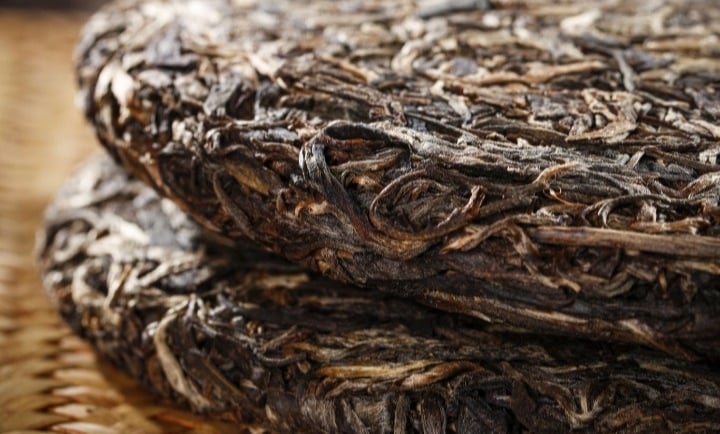
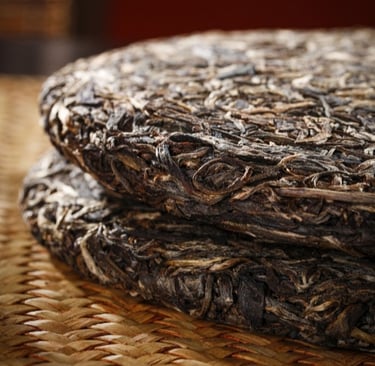
💰 Investing in Pu-erh: A Guide to Collecting and Appreciating Value
Pu-erh, a unique fermented tea primarily from China’s Yunnan province, is unlike most other teas—it improves with age, much like fine wine. This characteristic has transformed it from a simple beverage into a compelling asset for collectors and investors, particularly within the bustling Chinese market.
The Aged Pu-erh Market in China
The market for aged Pu-erh tea in China, centered notably in Guangzhou’s Fangcun Tea Market, can be vibrant, volatile, and lucrative. Aged cakes from reputable factories or specific, famous tea mountains often see their prices climb, sometimes steadily by 10-20% annually on average, and occasionally experiencing spectacular surges.
This investment appeal is driven by several factors:
* Scarcity: Genuine vintage teas are finite, and their supply dwindles as more are consumed.
* Cultural Status: Pu-erh holds a high cultural status, especially among wealthy Chinese collectors.
* Financial Hedging: Some investors view it as a stable alternative to fluctuating stock or property markets.
However, it's crucial to note that the market can be speculative, and price bubbles have burst before, leading to significant fluctuations.
📈 Factors Influencing Pu-erh's Value
To collect for value appreciation, you must understand what makes one tea cake worth more than another:
* Age and Type: Pu-erh can be Raw (Sheng) or Ripe (Shou). Raw Pu-erh is the main focus for long-term investment as its flavor complexity deepens over decades. Older, properly-aged Raw Pu-erh commands the highest prices.
* Origin and Raw Material: Teas from the renowned ancient tea mountains (especially those made from old or "Gushu" ancient trees) in Yunnan are premium. The source's reputation and the quality of the original leaves matter immensely.
* Reputation and Batch: Teas from established, high-end factories like Menghai Tea Factory (Dayi) or Xiaguan, often tied to specific classic recipes (like the Dayi 7542), have proven aging records and high demand.
* Storage History: This is perhaps the most critical factor. Pu-erh is a living product that ages through microbial action and oxidation. "Dry storage" (cooler, less humid) is often preferred for preserving original flavor and fetches the best prices in many markets, especially compared to "wet storage" which is faster but riskier. Poor storage (e.g., mold or absorbing off-odors) can destroy the tea's value entirely.
💡 Tips for Budding Tea Investors
Investing in Pu-erh requires patience, knowledge, and caution:
* 1. Start with Knowledge: Taste and sample widely. Understand the differences between young and aged, Raw and Ripe, and the profiles of major tea mountains and factories. A trustworthy tea vendor is an essential partner.
* 2. Focus on Quality: Buy the best possible raw material you can afford, preferably from reputable, established brands or single-estate Gushu producers with a proven track record. Low-quality Pu-erh will not appreciate well, regardless of age.
* 3. Ensure Proper Storage: Commit to a clean, well-ventilated, odor-free environment with stable temperature (e.g., 20-25^\circ\text{C}) and humidity (e.g., 60-70\%). Bad storage will ruin your investment.
* 4. Diversify and Think Long-Term: Don't put all your capital into one cake. Buy a selection of high-quality young teas from different origins and factories. Treat it as a long-term asset; significant appreciation takes 10 to 20 years or more.
* 5. Beware of Fakes: The high prices for vintage Pu-erh have attracted many forgers. Always buy from trusted, certified dealers and seek expert authentication for any expensive older tea.
Pu-erh offers a unique intersection of history, culture, and investment potential. For the mindful investor who can navigate the nuances of quality and storage, it can be a rewarding journey of collecting, aging, and appreciating a truly special commodity.